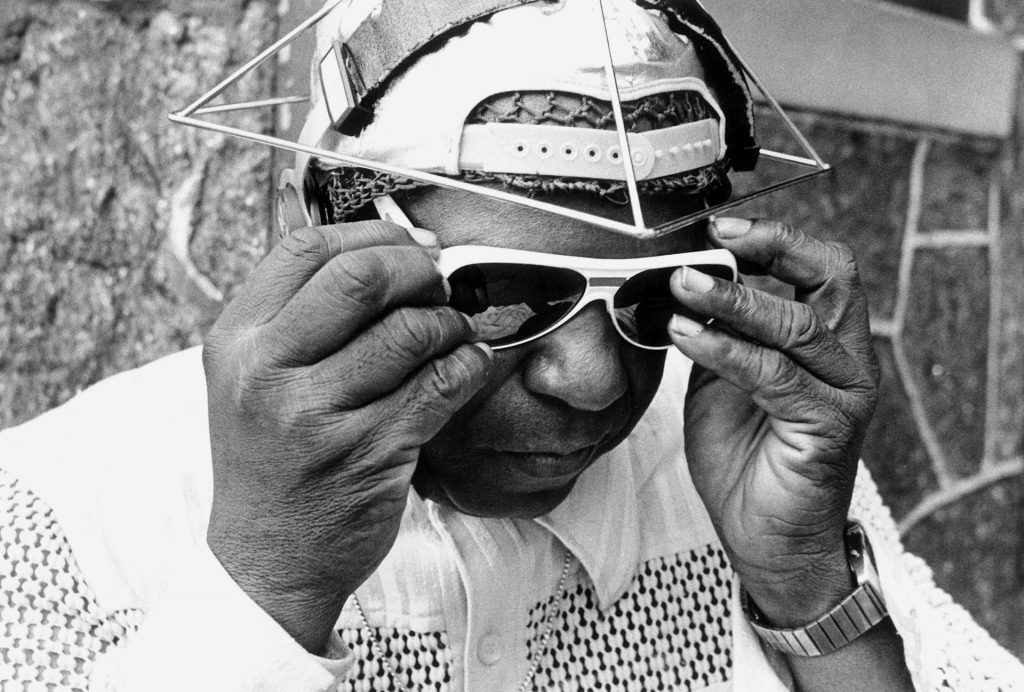
Walker Reader Article Summary:
On how the images and designs we make about the future, shape and limit how people continue to imagine the future and create ideas around what it should be like. Explores how certain historical visions of the future become dominant and argues we should question these images, which are often shaped by technology and capitalism, to imagine better and more diverse futures.
Quotes:
“Can a community whose past has been deliberately rubbed out, and whose energies have subsequently been consumed by the search for legible traces of its history, imagine possible futures? Furthermore, isn’t the unreal estate of the future already owned by the technocrats, futurologists, streamliners, and set designers—white to a man—who have engineered our collective fantasies? The “semiotic ghosts” of Fritz Lang’s Metropolis, Frank R. Paul’s illustrations for Hugo Gernsback’s Amazing Stories, the chromium-skinned, teardrop-shaped household appliances dreamed up by Raymond Loewy and Henry Dreyfuss, Norman Bel Geddes’s Futurama at the 1939 New York World’s Fair, and Disney’s Tomorrowland still haunt the public imagination, in one capitalist, consumerist guise or another.” – Mark Dery, who coined the term Afrofuturism
“(…) today we seem to be awash in a sea of images about the future. Billionaires plan for life on Mars. Scientists contemplate terraforming Earth. Technologists ponder the Singularity. Our images of the future are, perhaps appropriately, post-human and post-nature. (…) They are the future posing as today’s speculative solutions to yesterday’s wicked problems. It is telling that inhabiting a faraway planet with a hostile environment is somehow easier to imagine than a future here on Earth that requires changing our thinking, behaviors, and priorities.”
Read Here (Source: Walker Art Center)